
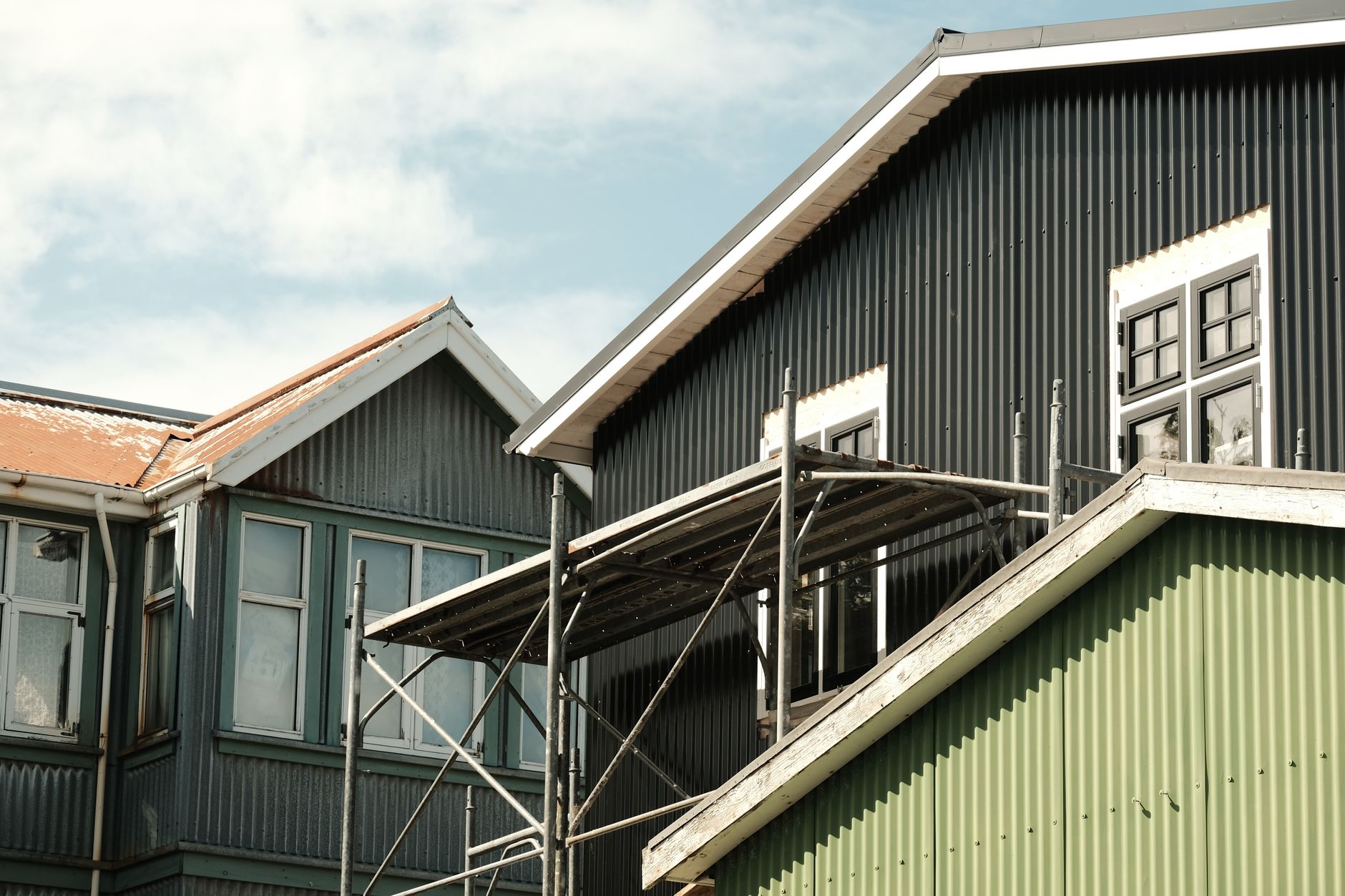
The best improvements are not always the most dramatic. For investment property, value usually increases when an improvement raises income, lowers risk, reduces future repairs, or makes the property easier for a buyer to finance. A beautiful cosmetic upgrade can help, but only if the buyer believes it changes rent, marketability, or confidence.
Before spending money, ask a blunt question: will this improvement change what a serious buyer can pay, or will it simply make the property look nicer? Those are not the same thing.
Repairs That Remove Fear
Buyers discount uncertainty. A roof near the end of its life, an old panel, active leaks, damaged flooring, broken HVAC, or a failing exterior can make buyers build a larger repair reserve into their offer. Solving the right repair can increase value because it removes a reason for the buyer, lender, or inspector to hesitate.
That does not mean every repair should be done before selling. A seller should compare cost, timing, disruption, and likely buyer reaction. If a $2,000 repair prevents buyers from assuming a $10,000 problem, it may be worth doing. If a $35,000 renovation only adds $20,000 of sale value, it may not be.
A Quick Priority Map
| Improvement Type | Why It Can Matter | Watch-Out |
|---|---|---|
| Roof, HVAC, Electrical, Plumbing | Reduces inspection and financing concerns. | Large projects may not return dollar-for-dollar. |
| Clean Paint, Flooring, Lighting | Improves first impression and tenant appeal. | Keep finishes appropriate for the rent level. |
| Lease and Rent Cleanup | Makes income easier to verify. | Poor lease changes can hurt value. |
Income Improvements Beat Pretty Improvements
If a property is under-rented, the most valuable improvement may be operational, not physical. Cleaning up leases, documenting deposits, moving rents closer to market, separating utilities, or reducing owner-paid expenses can have a direct effect on value. A buyer pays for the income stream, so better documentation and better operations can matter as much as fresh paint.
For example, adding durable flooring to a rental unit may be smart if it supports higher rent and reduces turnover costs. Installing expensive luxury finishes in a workforce rental may impress visitors but fail to increase rent enough to justify the cost.
Curb Appeal Still Counts
Buyers make judgments quickly. Landscaping cleanup, exterior paint touch-ups, pressure washing, lighting, signage, parking lot striping, and clean common areas can change how a property feels without turning into a full renovation. These improvements rarely fix bad numbers, but they can prevent good numbers from being overshadowed by neglect.
The best pre-sale improvements are targeted. They remove obvious objections, support the rent story, and make the buyer feel the property has been managed intentionally.
Spend Where the Buyer Will Notice
The right improvement depends on the buyer pool. An owner-occupant may care about layout, presentation, and immediate usability. An investor may care more about leases, maintenance history, and durable materials. A lender may care about condition, safety, and major systems. Improving value means understanding which audience has the power to say yes.
In most cases, the smartest improvements are boring in the best way: fix what scares buyers, document what supports income, clean what they will see, and avoid expensive projects that only make sense to your personal taste.
Value-Adding Improvements Solve Buyer Problems
The improvements that actually increase value are the ones that solve a buyer problem. They reduce uncertainty, improve income, make financing easier, lower future repair risk, or help the property compete for better tenants. Improvements that only reflect the seller’s taste may not return their cost.
| Improvement | Value Logic | Risk |
|---|---|---|
| Roof or HVAC | Reduces major repair fear. | May not return dollar-for-dollar if overpriced. |
| Durable Rental Finishes | Supports rent and lowers turnover wear. | Luxury finishes may exceed tenant demand. |
| Utility Separation | Improves expense clarity. | Cost and feasibility vary. |
For investment property, operational improvements can be as valuable as physical improvements. Clean leases, rent documentation, expense records, and tenant payment history can increase buyer confidence. A seller may get more value from proving the income than from installing finishes buyers do not need.
Before improving, ask whether the work changes rent, risk, financing, or buyer demand. If it does not, it may be maintenance or decoration rather than value creation.
Choosing Improvements Buyers Will Actually Value
The safest way to use this topic is to turn it into a decision process before money is committed. A buyer or seller should write down the assumption, the evidence supporting it, and what would happen if the assumption is wrong. That simple discipline keeps the article from becoming theory and turns it into a real estate checklist.
For a buyer, that means checking the property against rent, expenses, financing, condition, tenant demand, and exit options. For a seller, it means asking what information a serious buyer will need in order to trust the price. In both cases, the best decisions are supported by documents instead of confidence alone.
A useful exercise is to create a base case and a conservative case. The base case uses realistic numbers. The conservative case assumes slower timing, higher costs, or less favorable financing. If the decision still makes sense in the conservative case, the investor has a stronger position. If it only works in the best case, the risk should be renegotiated, reduced, or avoided.
Local context also matters. Ohio properties can vary sharply by neighborhood, age, tenant profile, taxes, insurance, and repair history. A rule that sounds simple at the state or city level may change once the buyer studies the block, the building systems, the lease terms, and the likely future buyer pool.
The final test is whether another knowledgeable person could understand the decision from the file. If the leases, numbers, photos, repair notes, financing terms, and assumptions tell a clear story, the decision is easier to defend. If the story depends on missing information or optimistic guesses, the property needs more work before it deserves a yes.
For this specific topic, the most useful habit is to separate what is known from what is assumed. Known items should be backed by leases, invoices, inspections, lender quotes, rent comps, insurance quotes, tax records, or written buyer feedback. Assumptions should be labeled clearly and tested against a conservative scenario. That keeps the decision practical and reduces the chance of turning a reasonable concept into an expensive mistake.
A strong investor or seller does not need every answer to be perfect. They need enough verified information to price the risk honestly and enough reserves or negotiating room to handle the parts that remain uncertain.